



Scroll
Safety & Sustainability
Our Commitment to Safety
At Adarsh Group, we prioritize the well-being and safety of our employees above all else. We believe a safe workplace is not just a requirement but a fundamental responsibility.
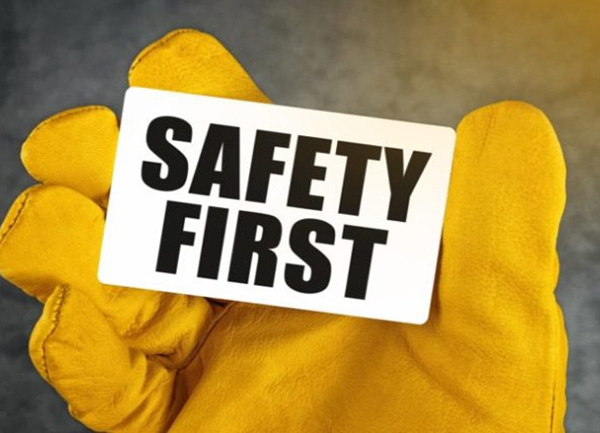
- - Regular Training Programs: We conduct safety workshops and training sessions to ensure our team is equipped to handle machinery and processes responsibly.
- - State-of-the-Art Equipment: All our machinery complies with international safety standards, minimizing risks during operations.
- - Emergency Preparedness: From fire drills to first-aid training, we are always prepared to manage emergencies effectively.
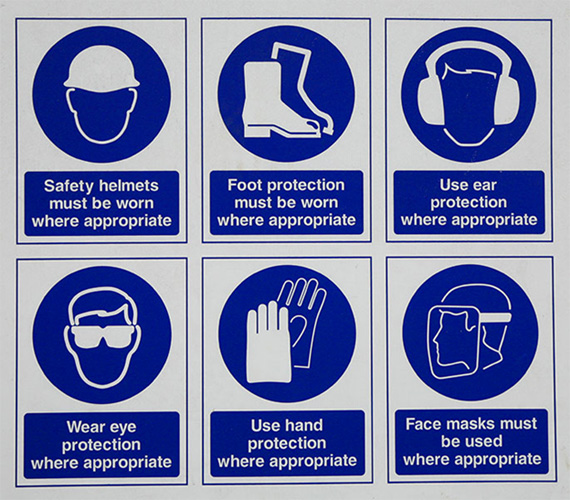
- - Personal Protective Equipment (PPE): Our workers are equipped with high-quality safety gear for daily operations.
Safety is everyone's responsibility
Creating a Culture of Safety
Our approach goes beyond compliance. We foster a culture where every team member is encouraged to prioritize safety and report hazards without hesitation. Collaboration, communication, and accountability form the pillars of our safety standards.
Why Safety Matters to Us
- Employee Well-being: Our employees are our most valuable asset, and their health and safety are critical to our success.
- perational Excellence: A safe work environment ensures efficiency and quality in all our processes.
- Sustainability: By minimizing risks, we contribute to a sustainable and responsible way of working.
A Greener Future
As part of our commitment to safety and sustainability, Adarsh Group also implements environmentally friendly practices in all our operations. From energy-efficient equipment to eco-conscious product development, we ensure a brighter future for our employees, customers, and the planet.

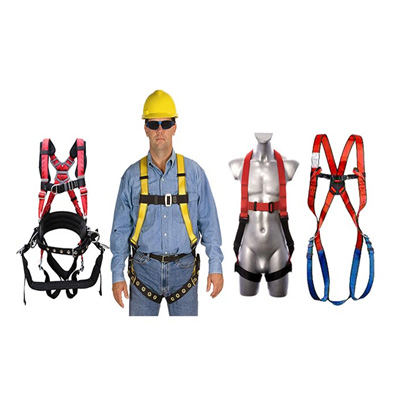
Safety in industry refers to the systematic approach and measures implemented to identify, assess, and mitigate risks, hazards, and potential dangers within industrial workplaces. It encompasses a range of strategies, protocols, and regulations aimed at safeguarding individuals, property, and the environment from harm or injury resulting from operational activities, equipment, materials, or processes in industrial settings.
Key Aspects of Safety Management in Industry:
1. Risk Assessment: Conducting thorough risk assessments to identify potential hazards, evaluate risks, and prioritize safety measures to prevent accidents and injuries.
2. Safety Protocols: Establishing and enforcing safety protocols, procedures, and guidelines to ensure compliance with regulations and best practices in industrial safety.
3. Training and Education: Providing comprehensive safety training programs for employees to enhance awareness, knowledge, and skills in hazard recognition, emergency response, and safety practices.
4. Incident Response: Developing effective emergency response plans, procedures, and communication protocols to address and manage safety incidents promptly and efficiently.
5. Continuous Improvement: Implementing regular safety audits, inspections, and evaluations to monitor safety performance, identify areas for improvement, and enhance safety standards over time.
Importance of Safety in Industry:
• Maintaining a strong focus on safety in industry is crucial for several reasons:- Protecting the well-being and health of workers, reducing the risk of injuries, illnesses, and fatalities.
• Enhancing productivity and efficiency by minimizing downtime caused by accidents or safety incidents.
• Building a positive safety culture that fosters employee engagement, morale, and retention.
• Ensuring compliance with legal regulations, industry standards, and ethical responsibilities to uphold safety practices.
• Safeguarding the reputation and credibility of the organization by demonstrating a commitment to safety and responsible business practices.
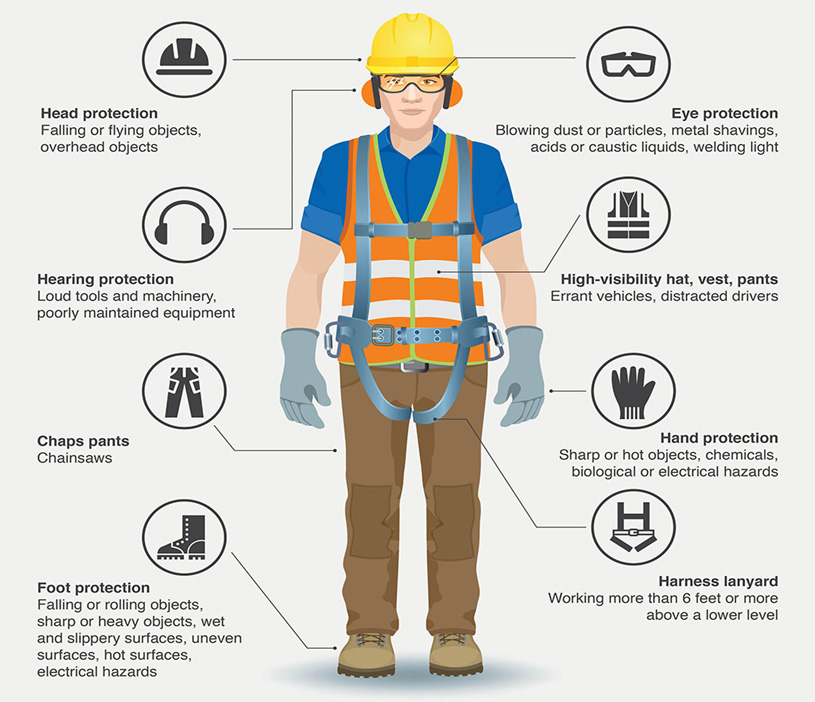
Safety protocols in the workplace are essential to ensure the health and well-being of employees and to prevent accidents, injuries, or illnesses. These protocols vary by industry but share common principles. Below are key components of workplace safety protocols:
General Safety Measures
- Employee Training: Regular safety training sessions to educate employees on workplace hazards, emergency procedures, and the correct use of equipment.
- Signage and Labels: Clearly marked signs indicating hazards (e.g., "Wet Floor," "High Voltage") and labels on dangerous substances.
- Personal Protective Equipment (PPE): Provision and enforcement of using necessary PPE such as gloves, helmets, goggles, or masks.
- Hazard Communication: Proper identification and communication about hazardous materials or processes.
Emergency Preparedness
- Emergency Exits: Ensure all emergency exits are unobstructed and clearly marked.
- Fire Safety: Install and maintain fire extinguishers, smoke detectors, and sprinkler systems.
- Evacuation Drills: Conduct regular fire and emergency evacuation drills.
- First Aid: Have first aid kits readily available and ensure a few employees are trained in basic first aid and CPR.
Equipment and Machinery Safety
- Maintenance and Inspection: Regular inspection and maintenance of machinery to ensure proper functioning.
- Lockout/Tagout (LOTO): Procedures to safely disable machinery during maintenance or repair to prevent accidental start-up.
- Safe Usage Training: Provide training on the correct operation of tools and machinery.
Health and Ergonomics
- Workstation Setup: Ensure ergonomic design to prevent repetitive strain injuries, such as adjustable chairs, desks, and proper lighting.
- Breaks and Rest Periods: Encourage regular breaks to reduce physical and mental fatigue.
- Cleanliness and Hygiene: Maintain clean and sanitary work areas to prevent illnesses.
Reporting and Investigation
- Incident Reporting: Encourage employees to report all accidents, injuries, or unsafe conditions without fear of retaliation.
- Investigation and Documentation: Investigate incidents thoroughly and document findings to prevent recurrence.
- Feedback Loop: Use employee feedback to continuously improve safety protocols.
Industry-Specific Safety
- Construction: Scaffolding safety, fall protection measures, and trench safety practices.
- Healthcare: Infection control protocols, proper handling of sharp objects, and use of biohazard containers.
- Manufacturing: Safe handling of chemicals, ventilation for fumes, and strict machine operation standards.
Mental and Emotional Well-being
- Stress Management: Provide access to stress management resources and counseling if needed.
- Anti-Bullying and Harassment Policies: Zero tolerance for bullying and harassment, with clear reporting and resolution procedures.
Compliance with Regulations
- Adhere to local and international workplace safety standards such as OSHA (Occupational Safety and Health Administration) HSE (Health and Safety Executive) or equivalent regulatory bodies.
By implementing and regularly updating safety protocols, employers can create a safer and more productive work environment.